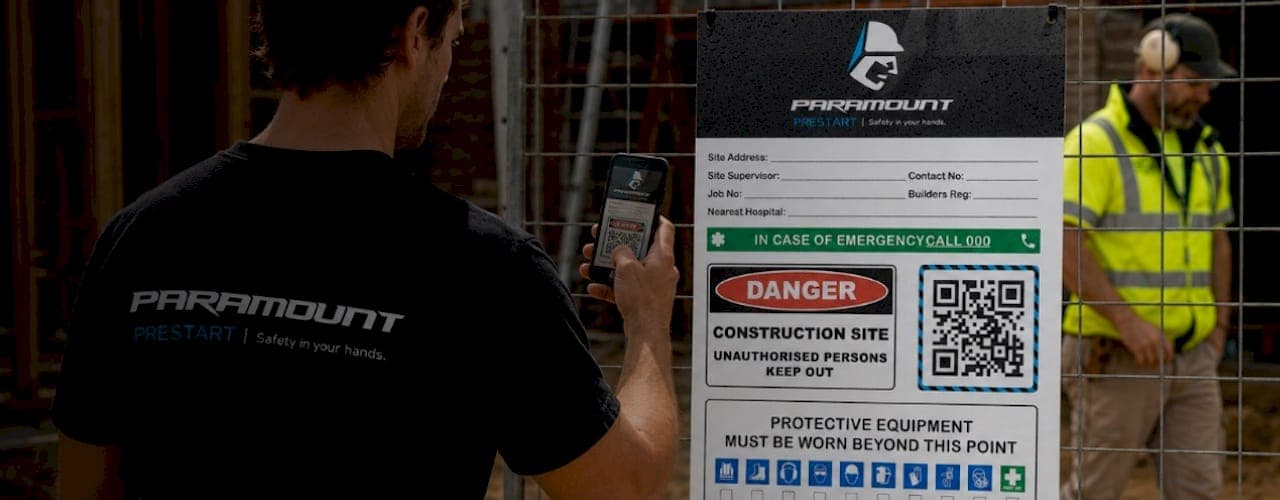
Complete site hazard identification is the process of systematically recognising, assessing, and controlling every workplace hazard specific to each trade on a residential construction site. In Australia, getting this wrong carries real consequences. Non-compliance penalties can reach $170,181 per wilful violation, and that figure alone should sharpen your focus. A complete site hazard identification trade process is not a one-off tick-box exercise. It is a living, site-specific system that protects your workers, satisfies regulators, and keeps your project moving without costly interruptions.
What does complete site hazard identification cover for trades?
Complete site hazard identification, known formally as a worksite safety evaluation or hazard identification and risk assessment (HIRA), covers every physical, chemical, biological, ergonomic, and environmental risk present on a residential site. The scope is broader than most trades realise. A single residential build involves electricians, plumbers, carpenters, concreters, and roofers, often working in overlapping areas at the same time. Each trade brings its own hazard profile, and those profiles collide in ways a standard checklist rarely captures.
The five core hazard categories you need to assess are:
| Hazard category | Trade examples | Risk type |
|---|---|---|
| Physical | Falls from height, electrical shock, struck-by objects | Injury, fatality |
| Chemical | Solvent exposure, adhesive fumes, treated timber dust | Respiratory illness, skin damage |
| Biological | Mould in wall cavities, contaminated soil, vermin | Infection, allergic reaction |
| Ergonomic | Repetitive overhead work, manual handling, awkward postures | Musculoskeletal injury |
| Environmental | Heat stress, UV exposure, wet or unstable ground | Heat illness, slip and fall |
Most incidents arise from interacting processes rather than isolated hazards. That means the moment an electrician and a plumber are both working in the same wall cavity, you have a new hazard that neither trade’s individual checklist will flag. Recognising those intersections is what separates a complete risk assessment from a superficial one.
What tools and documentation do you need before starting?
Preparation is where most hazard identification processes either succeed or fall apart. Audit-ready documentation must identify the specific workplace, the assessor’s name, the date, and the personnel responsible for each control measure, with hard deadlines for corrective actions. Pulling a JSA from a previous job and changing the date is not just lazy. It is a liability that regulators will reject on the spot.
Your preparation checklist should include:
-
A site-specific Safe Work Method Statement (SWMS) for each high-risk trade activity
-
A site inspection checklist tailored to the current build stage
-
A hazard and incident reporting register
-
A site safety management plan covering the full project
The personnel you involve matter just as much as the paperwork. Safety officers, site foremen, and the workers performing the tasks all need a seat at the table. Involving workers directly builds ownership and uncovers unsafe shortcuts that no written procedure will ever reveal.
On the technology side, the gap between manual and assisted approaches is widening fast.
| Approach | Strengths | Limitations |
|---|---|---|
| Manual checklists and JSAs | Low cost, familiar, easy to complete on site | Static, miss dynamic conditions, prone to copying |
| Digital safety platforms | Real-time updates, audit trails, mobile access | Requires adoption and training |
| AI-powered tools and drones | Rapid site scanning, identifies hazards at pace | Higher cost, best suited to larger or complex sites |
AI and drone technology are now critical for reliable hazard identification on fast-moving projects. For most residential builders, a digital safety platform that keeps documentation current and accessible from a phone is the practical middle ground.
Pro Tip: Before any walkdown, confirm your documentation lists the current site address, today’s date, and the name of the person conducting the assessment. An inspector will check those three details first.
How do you conduct a step-by-step trade hazard identification?
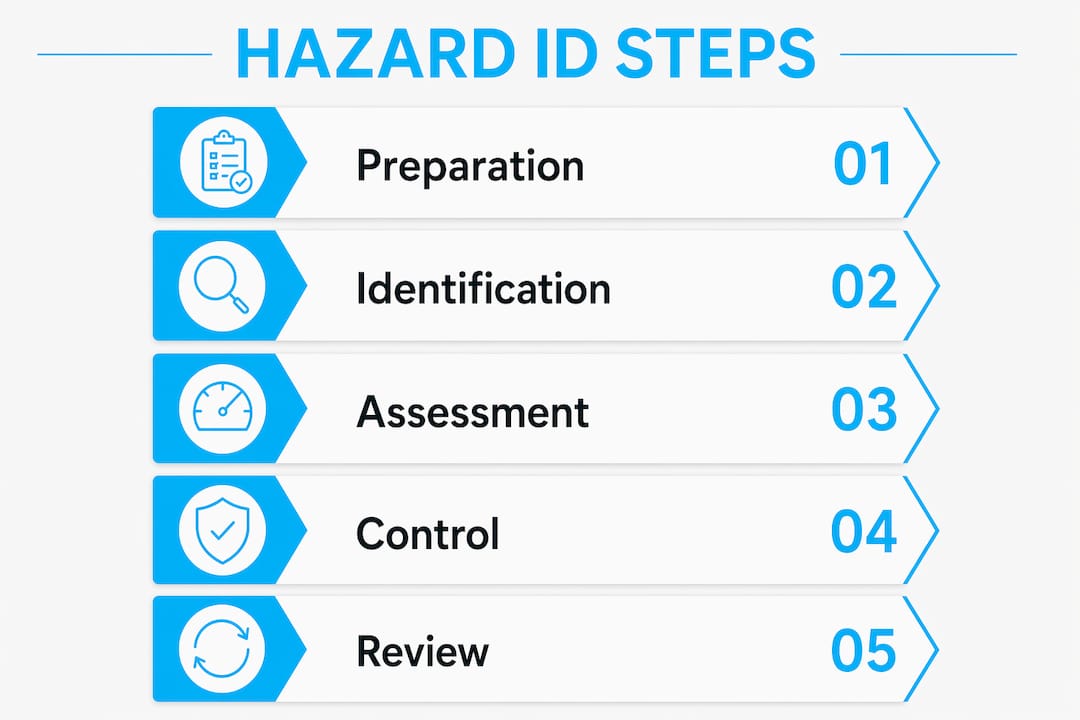
A thorough hazard identification process follows a clear sequence. Skipping steps, particularly the field observation phase, is where most safety gaps appear. Effective audits observe actual safety implementation rather than relying solely on documentation. Here is the process that holds up under scrutiny.
-
Brief your team before the walkdown. Gather the safety officer, site foreman, and at least one representative from each active trade. Explain the purpose and ask workers to flag anything that feels unsafe, no matter how minor.
-
Walk the site by area, not by trade. Move through each zone of the site systematically. Assess the roof, frame, subfloor, wet areas, and external perimeter as distinct areas. This approach catches hazards that exist in the space between trades.
-
Observe actual work conditions, not just paperwork. Watch how tasks are actually being performed. Workers often develop workarounds that create new hazards. A field-led walkdown approach is the most reliable method for uncovering those hidden shortcuts.
-
Identify hazards by task and trade interaction. For each task observed, ask: what could go wrong here, and does it change when another trade is working nearby? The most dangerous hazards often arise at the intersections of trades, such as when electrical and plumbing work spatially overlap.
-
Apply a risk matrix to each hazard. Rate each hazard by likelihood and severity. Risk matrix use improves control prioritisation, helping you focus resources on the hazards most likely to cause serious harm.
-
Assign controls, responsibilities, and deadlines. Every identified hazard needs a named person responsible for the control measure and a date by which it must be in place. Vague entries like “fix later” will not satisfy a regulator or an insurer.
-
Review and sign off documentation on site. Complete your trade safety checklist, SWMS, and hazard register before leaving the site. Do not rely on memory or plan to fill in the paperwork back at the office.
Pro Tip: Never copy a JSA from a previous job, even if the tasks look identical. Site conditions, trade sequences, and environmental factors change every build. A copied JSA is a compliance risk and a safety gap.
How do you keep hazard identification current as the site changes?
Static checklists are the single biggest weakness in most site safety systems. A residential build changes dramatically from slab stage to lock-up to fit-out, and the hazard profile changes with it. A trade safety checklist that was accurate in week two is often dangerously out of date by week six.
The strategies that keep hazard identification current are:
-
Schedule regular collaborative walkdowns at each major build stage, not just at the start of the project.
-
Update your hazard register in real time whenever a new trade starts on site or a significant task changes.
-
Hold short toolbox talks when site conditions shift, such as after wet weather, a near miss, or a change in trade sequencing.
-
Review your SWMS whenever a high-risk task is modified or a new subcontractor joins the project.
Hazard identification is not a document you complete once and file away. It is a living process that must evolve as your site evolves. The moment you treat it as a set-and-forget task, you create the conditions for a serious incident.
Integrating human expertise with AI and drones provides a critical safety net in modern construction projects where risk environments change rapidly. For residential builders, that means combining regular human walkdowns with digital tools that flag changes and keep records current. Neither approach alone is sufficient. The combination is what makes a worksite safety evaluation genuinely reliable.
Key takeaways
A complete site hazard identification process requires site-specific documentation, cross-trade collaboration, and regular updates as site conditions change, not a one-off checklist.
| Point | Details |
|---|---|
| Documentation must be site-specific | Copying previous JSAs creates compliance risk and misses current site hazards. |
| Trade interactions create unique hazards | Overlapping trades produce risks that individual checklists will not capture. |
| Field observation beats paperwork alone | Walk the site and watch actual work to find shortcuts and real-world gaps. |
| Risk matrices prioritise your response | Rate hazards by likelihood and severity to focus controls where they matter most. |
| Hazard identification is a living process | Update your hazard register and SWMS at every major build stage. |
What I’ve learned from years of residential site safety
The thing that surprises most safety officers when they start doing proper collaborative walkdowns is how much the workers already know. They have spotted the hazards. They just haven’t been asked. I have walked sites where the foreman’s paperwork looked perfect and the workers on the tools could list five things that were genuinely dangerous before we reached the second room. That gap between the paperwork and the reality is where people get hurt.
The other lesson I keep coming back to is trade overlap. On a residential build, the schedule gets compressed and suddenly the electrician is roughing in while the plasterer is boarding the next room and the plumber is cutting through the same wall. None of those three trades flagged a hazard because each one assessed their own work in isolation. A holistic site hazard assessment catches that. An individual trade checklist does not.
My honest advice is to stop treating hazard identification as a compliance exercise you do to satisfy an inspector. Do it because the walkdown, done properly with your workers, is the most reliable early warning system you have. Technology helps, and digital platforms make the documentation far easier to keep current. But the walkdown with your team is still the foundation. No app replaces the conversation you have standing in front of the actual hazard.
— Adam
How Paramount Prestart supports trade hazard identification on site
Paramount prestart is a mobile safety platform built for residential builders and their subcontractors. It puts your SWMS, site inspection checklists, hazard and incident reports, and site safety management plans on your phone, ready to complete on site in real time.
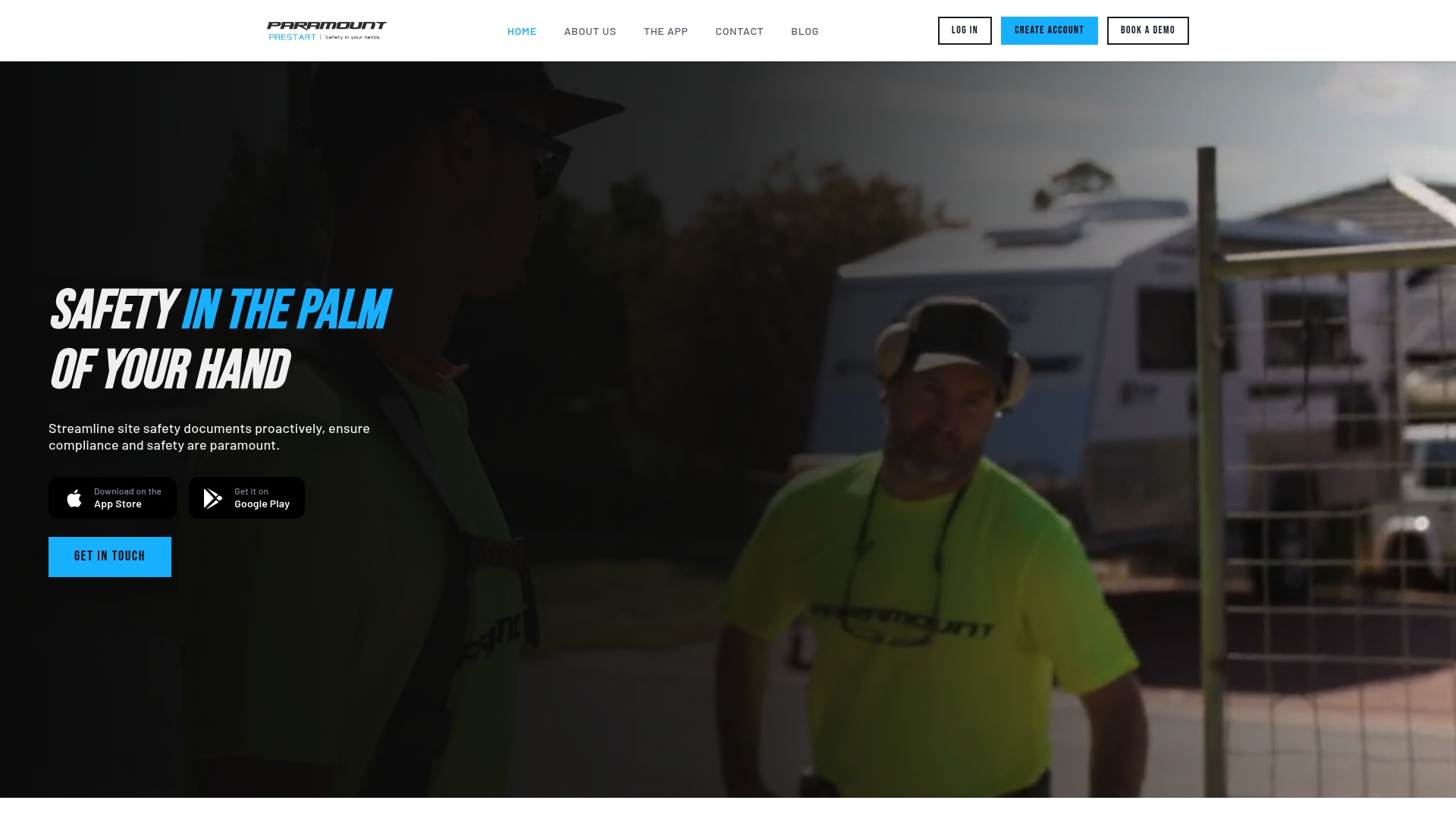
Every form is site-specific and timestamped, so your documentation is audit-ready the moment you complete it. No chasing signatures back at the office, no copying old forms, and no gaps in your hazard register. When a new trade starts or site conditions change, you update your records from the same device you already carry. Visit Paramount Prestart to see how the platform supports complete, compliant hazard management on every residential build.
FAQ
What is a complete site hazard identification for trades?
Complete site hazard identification is the process of systematically recognising, assessing, and controlling every hazard specific to each trade on a residential construction site. It covers physical, chemical, biological, ergonomic, and environmental risks, including hazards created by overlapping trades.
What documentation is required for a trade hazard identification?
Documentation must be site-specific and include the workplace address, assessor’s name, date, identified hazards, assigned controls, responsible personnel, and corrective action deadlines. Copying a JSA from a previous job does not meet compliance requirements.
How often should you update your site hazard assessment?
Your hazard assessment should be reviewed and updated at every major build stage, whenever a new trade starts on site, after any near miss or incident, and when site conditions change significantly such as after wet weather.
What are the penalties for failing a worksite safety evaluation in Australia?
Non-compliance with workplace hazard assessment requirements can result in penalties up to $170,181 per wilful violation, along with potential project shutdowns and increased insurance liability.
Why do trade interactions create the most serious hazards on residential sites?
The most dangerous hazards often arise when trades work in the same area at the same time, such as electrical and plumbing work overlapping in a wall cavity. Standard individual trade checklists do not capture these combined risks, which is why a cross-trade walkdown is necessary.